1. Stay out and call
Keep everyone out of the space and do not touch what you see. The team asks a few questions to plan the job.
Chattahoochee, FL · Gadsden County
After police release a property in Chattahoochee, the owner or family still has to deal with what is left. Call (877) 812-4220 for sharps pickup, residue cleanup and odor treatment.
If anyone is in danger, call 911 first. For a suicide crisis, call or text 988.
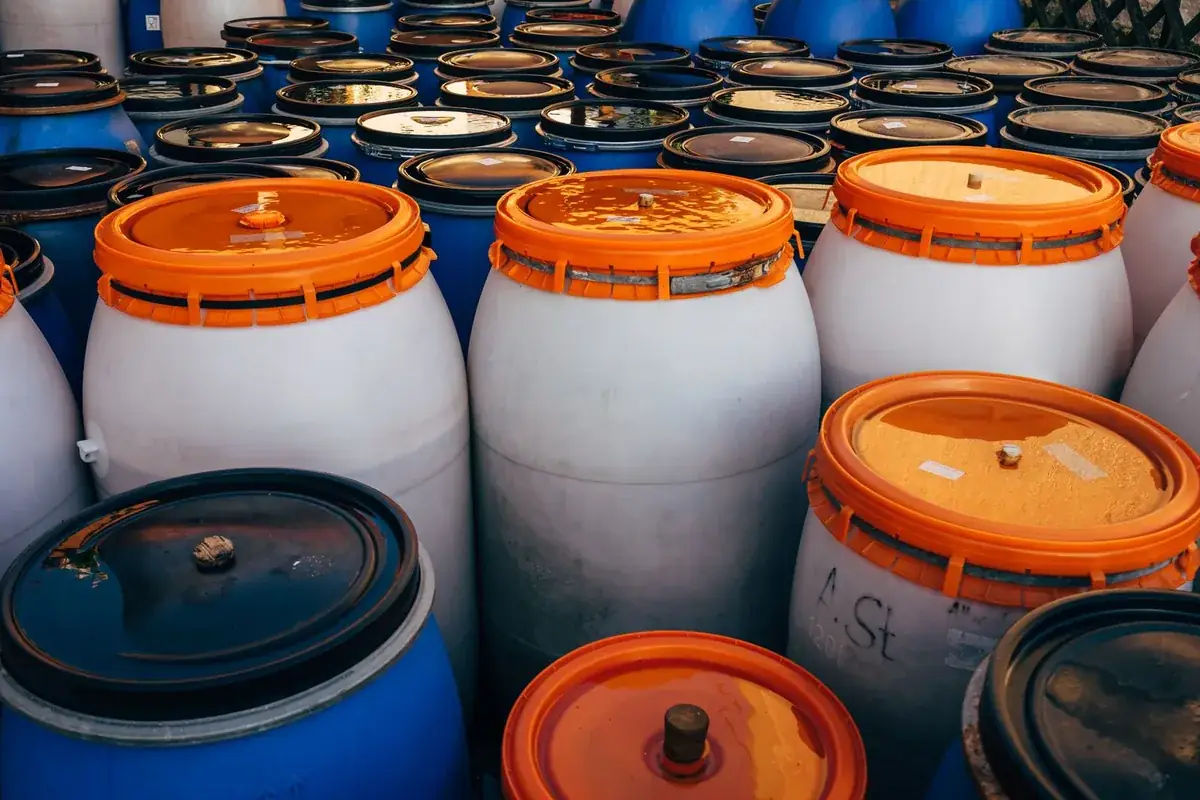
Drug residue cleanup removes powders, stains and films left on floors, furniture and fabrics after drug use. Because residue is often invisible and hard to identify, crews treat it as hazardous.
If you are unsure whether your space in Chattahoochee needs cleaning, you can talk with Chattahoochee Biohazard Cleanup Help about it in Gadsden County. The team helps sort out what is paraphernalia cleanup and what may call for more testing.
Renters make up about 63% of households in Chattahoochee, so landlords often need paraphernalia cleared between tenants. Emergency care for people in Chattahoochee is available at Jackson Hospital in Marianna. Cleanup can wait until everyone is safe.
Drug Paraphernalia Cleanup in Chattahoochee usually includes:
Keep everyone out of the space and do not touch what you see. The team asks a few questions to plan the job.
Cleanup technicians collect sharps, bag soiled items and lift loose debris using tools.
Hospital-grade disinfectants go on hard surfaces. Odor treatment follows for lingering smells.
The crew cleans, checks, and walks the owner through what was done and what still needs attention.
The cost of drug paraphernalia cleanup in Chattahoochee, FL depends on the amount of material, how it is packed and how it is hauled.
Documentation for a landlord, insurer or buyer can add some time, so tell the team up front if you will need it.
| Type of job | Typical range |
|---|
Published ranges only (); every drug paraphernalia cleanup job in Chattahoochee is priced after an on-site look. Price drivers include amount of material, whether residue is present, surfaces affected, waste disposal. Questions? Call (877) 812-4220.
It is safer not to. You often cannot tell what an item or residue is, and hidden sharps are a risk. Do not mix cleaning products. A cleanup team has the protective gear and containers to do it safely, without judgment.
Loose syringes should never go in household trash, because they can stab sanitation workers. Other items may carry residue. A cleanup team seals and disposes of everything the safe way.
Vehicles can hold syringes, residue and odor in seats, carpets and vents. Ask whether the team cleans vehicles and how soft materials are treated. Crews use the same protective gear and sealed containers as in a building.
Police and the city do not usually clean the space afterward. The owner or the family books the cleanup once the scene is released. A cleanup team can work after the release and explain the steps. Ask the agency when the space is cleared.
The owner of the property usually pays at first. Lease terms and local law decide who is responsible in the end. A landlord, an attorney or a tenant rights group can say. Keep any record the cleanup team gives you, since a landlord or insurer may ask for it.
Often, yes. Many teams can arrive in an unmarked vehicle and work quietly. If privacy matters, ask about it when you call. The crew shares only what it needs to plan the work.
Describe what you found and ask how removal and cleaning would work.
Call (877) 812-4220